
Wellness by Design: How the Spaces We Create Shape Our Health


At ANIMA, we believe wellness goes far beyond physical health. It reflects a holistic relationship between how we move, how we think, what we eat, what we wear—and also includes the spaces where we live and work.
Our surroundings quietly influence our energy, emotions, and ability to thrive. When environments are aligned with human needs, they become active contributors to wellbeing.
In 1990, Peggy Swarbrick developed the Eight Dimensions of Wellness, a framework that describes how different aspects of life contribute to overall wellbeing. These dimensions—physical, spiritual, social, intellectual, emotional, occupational, environmental, and financial—are interconnected. When one area is out of balance, it often affects the others.
Physical: Supporting a healthy body through movement, nutrition, rest, and recovery.
Spiritual: Cultivating meaning, purpose, and connection to something greater than ourselves.
Social: Building meaningful relationships and engaging with our communities.
Intellectual: Learning, exploring ideas, and nurturing creativity.
Emotional / Mental: Developing awareness of our feelings and the ability to express and process them.
Occupational: Finding purpose, satisfaction, and enrichment through our work.
Environmental: Recognizing the relationship between planetary health, our choices, and human wellbeing.
Financial: Experiencing stability and confidence in our current and future resources.
At ANIMA, we focus especially on the environmental dimension, because the spaces we inhabit can either support—or undermine—many of the others. This is why we advocate for balanced and nurturing environments that actively contribute to health and wellbeing.
Creating supportive spaces is not simply about aesthetics; it is about prevention—designing environments that help people maintain and restore their natural balance.
How We Design for Wellbeing
To create spaces that resonate with human health, we integrate several strategies:
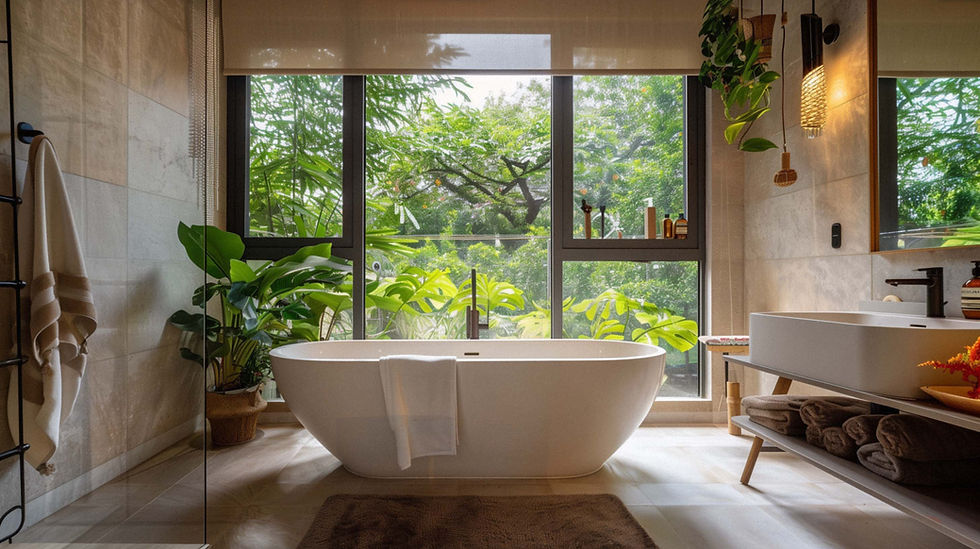
Nature as our guide Through biophilic design principles, we reconnect interior environments with the rhythms and patterns of the natural world.
Healthy materialsWe prioritize materials free from harmful chemicals, reducing the toxic load within indoor environments.
Natural lightCircadian rhythms guide our design approach, ensuring spaces receive balanced daylight that supports sleep, focus, and overall health.
Indoor air qualityWe design mechanical systems that maintain excellent indoor air quality and balanced relative humidity.
Site awarenessWe analyze each site carefully to identify potential environmental stressors and ensure the land itself supports the wellbeing of its occupants.
When architecture aligns with nature and human biology, spaces can do more than shelter us—they can restore, support, and elevate our wellbeing.


Comments